
Retreatment in Marbella
Even when a root canal seems to succeed initially, bacteria or leakage can cause reinfection over time, leading to discomfort, abscess formation, or radiographic signs of pathology.
* All prices are indicative. The final price depends on the doctor's diagnosis at your consultation. Consultations in English & Spanish.


In short
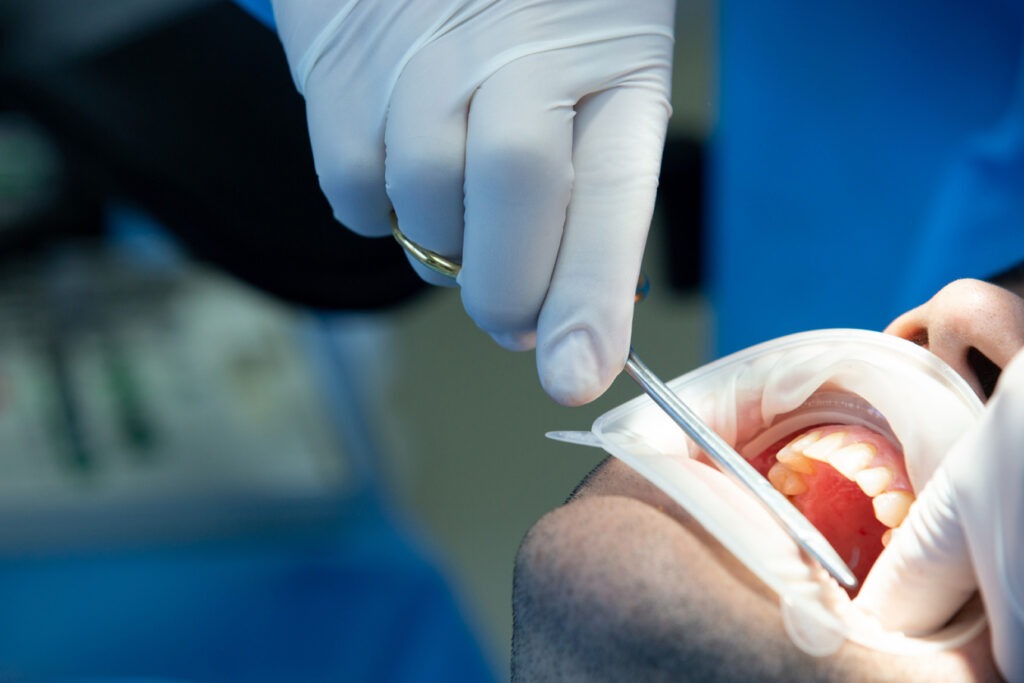
Retreatment is a second root canal procedure for a tooth that has developed new symptoms or not healed properly after its first treatment, giving it a second chance. It usually takes 1–2 visits of 60–120 minutes, with mild sensitivity for a few days. Indicative price €300–€800, confirmed at your consultation.
Is it for me?
Indications
- Persistent pain after prior root canal
- Swelling or tenderness near treated tooth
- X-ray shows infection or lesion at root tip
- Decay or leakage around old filling/crown
- Crack or fracture affecting the canal
Causes
- Missed or untreated canal
- Incomplete cleaning or sealing
- Leakage from defective restoration
- New decay or fracture exposing canals
About the treatment
Even when a root canal seems to succeed initially, bacteria or leakage can cause reinfection over time, leading to discomfort, abscess formation, or radiographic signs of pathology. Retreatment involves carefully reopening the tooth, removing old filling materials, disinfecting canals, and resealing them to restore health.
City Clinic’s endodontists employ advanced imaging (e.g., CBCT), magnification, and precise instrumentation to detect missed canals, residual infection sources, or structural issues from the first treatment. This meticulous approach maximizes the odds of successful healing.
Step by step
How it works
Usually one or two visits depending on complexity and presence of infection
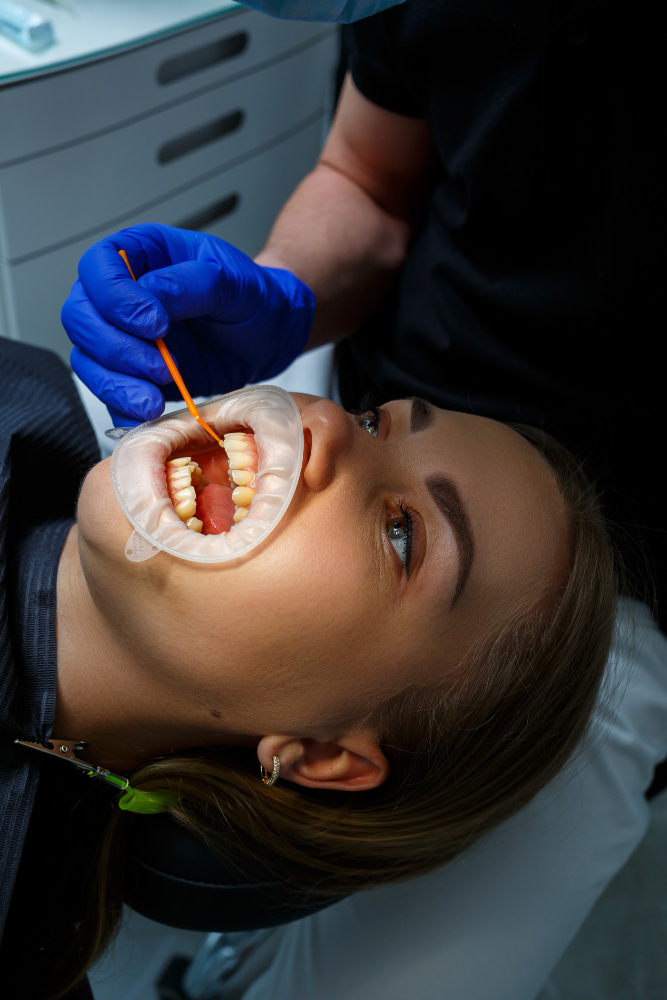
Access & Removal – Reopen tooth and remove old canal filling.
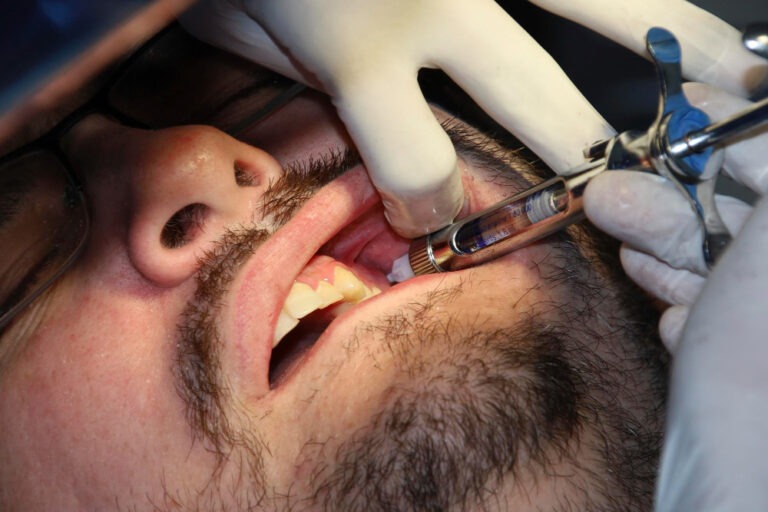
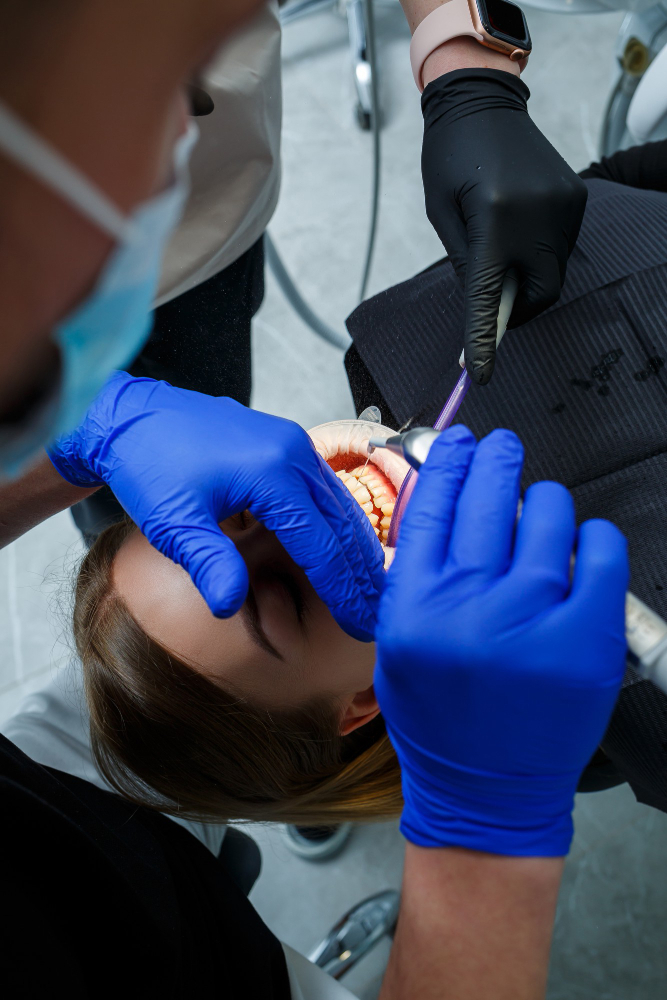
Cleaning & Disinfection – Clear infection and reshape canals.
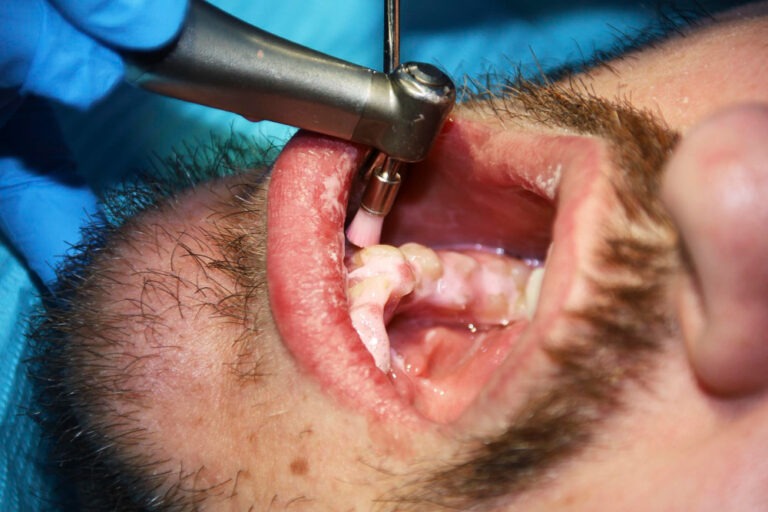
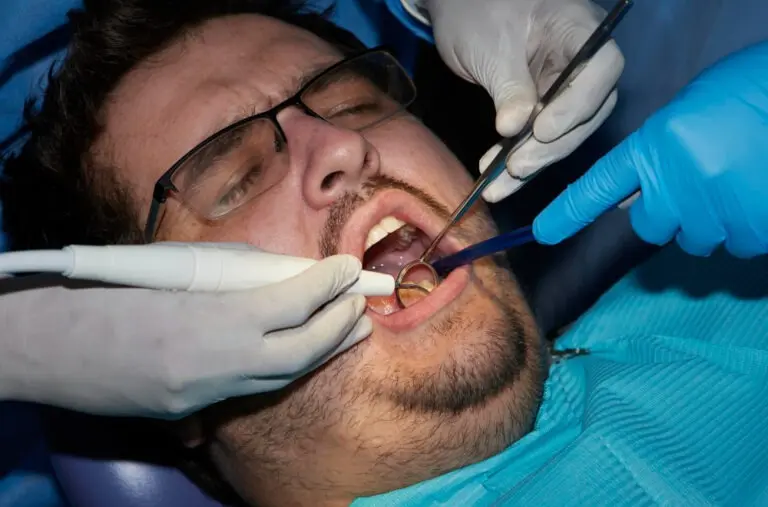
Refilling & Sealing – Refill, seal, and restore tooth with new protection.
Before your treatment
- Provide full dental and medical history
- Avoid eating heavy or crunchy foods before appointment
- Inform the dentist of any allergies or prior issues with the tooth
After your treatment
- Avoid chewing on the treated tooth until final restoration is in place
- Use soft foods and avoid extreme temperatures initially
- Take prescribed analgesics or medication if needed
- Maintain good oral hygiene and follow dentist’s care guidelines
- Return for follow-up to monitor healing and place permanent restoration
Pricing
What it costs
Indicative range only — nothing here is a fixed price. The doctor's diagnosis at your consultation decides the plan and the final price.
| Treatment | Indicative range | Visits |
|---|---|---|
| Retreatment | €300 – €800 | 1–2 |
| Root Canal | from €250 | — |
| Apicoectomy | from €400 | — |
| Dental Fillings | from €80 | — |
| Pulp Capping | from €180 | — |
Factors affecting price
- Presence of posts, cores or obstructions
- Number of canals and complexity of anatomy
- Use of advanced imaging or surgical tools
- Needed restoration (crown, filling) post-treatment
Insurance coverage
This treatment is not covered by insurance.
Results
How long do results last?
With proper restoration and care, a retreated tooth can last many years, often akin to a successful original root canal.
Expected outcome
Short-term: elimination of symptoms (pain, swelling) and resolution of infection.
Long-term: preservation of the tooth with restored function, avoiding extraction.

Safety
Risks & considerations
Possible side effects
- Temporary sensitivity
- Mild swelling or tenderness
- Difficulty removing old material
- Residual infection risk
Contraindications
- Teeth with structural damage or fractures beyond repair
- Poor periodontal support or bone loss making tooth stability doubtful
- Untreated gum disease or infection in neighboring areas
Safety notes
At City Clinic, retreatment is performed under magnification, isolation techniques, and rigorous sterilization. Each case is assessed to ensure the tooth is viable to restore before proceeding.
Questions
Frequently asked
The last one is always open: it answers the question people ask most on WhatsApp.
Is retreatment painful?
No — with modern anesthesia and techniques, discomfort is minimal.
Why didn’t the first treatment work?
Sometimes canals were missed, or bacteria persisted due to incomplete sealing or leakage.
How many appointments are required?
Typically one or two visits, depending on case complexity.
Will I need a new crown afterward?
Yes — it's essential to protect the treated tooth permanently.
Is retreatment better than extraction?
Yes — preserving the natural tooth is typically superior to extraction and replacement.
Ask first, book later
Send a photo or a question on WhatsApp — our patient coordinators reply during opening hours.