
Pulp Capping in Marbella
When decay or damage approaches the pulp chamber, complete removal of all infected tissue risks exposing the pulp.
* All prices are indicative. The final price depends on the doctor's diagnosis at your consultation. Consultations in English & Spanish.
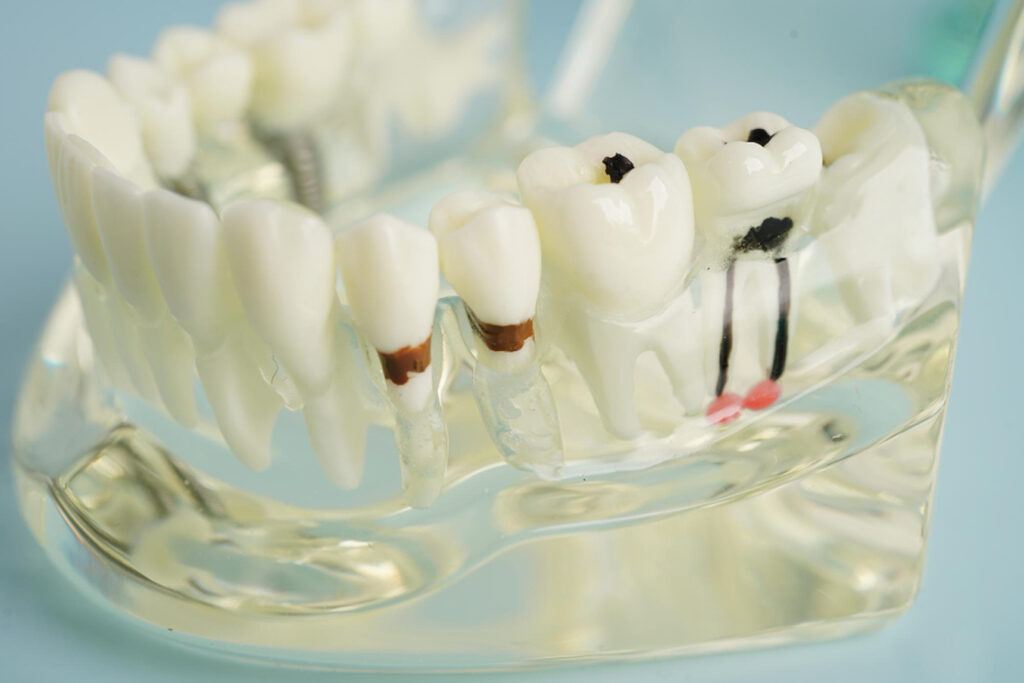


In short
Pulp capping protects the living pulp of a tooth when decay or trauma has exposed it, placing a medicated dressing instead of removing the pulp. It usually takes one visit of about 30–60 minutes, and you can carry on as normal straight away. Indicative price €180–€500, confirmed at your consultation.
Is it for me?
Indications
- Minimal pulp exposure due to decay or trauma
- Tooth shows reversible pulpitis
- No signs of infection or periapical pathology
- Healthy surrounding tooth structure for proper sealing
- Desire to preserve tooth vitality and avoid root canal
Causes
- Deep decay close to the pulp
- Accidental pulp exposure during cavity preparation
- Secondary decay beneath existing fillings
- Tooth wear or damage exposing deeper layers
About the treatment
When decay or damage approaches the pulp chamber, complete removal of all infected tissue risks exposing the pulp. Pulp capping acts as a barrier, isolating the pulp from bacterial invasion and allowing reparative dentin formation. There are two primary types: direct pulp capping (when the pulp is exposed) and indirect pulp capping (when a thin layer of dentin remains over the pulp). The success of this approach depends on a clean environment, precise technique, and high-quality sealing.
Step by step
How it works
Usually one, unless observation or reassessment is needed
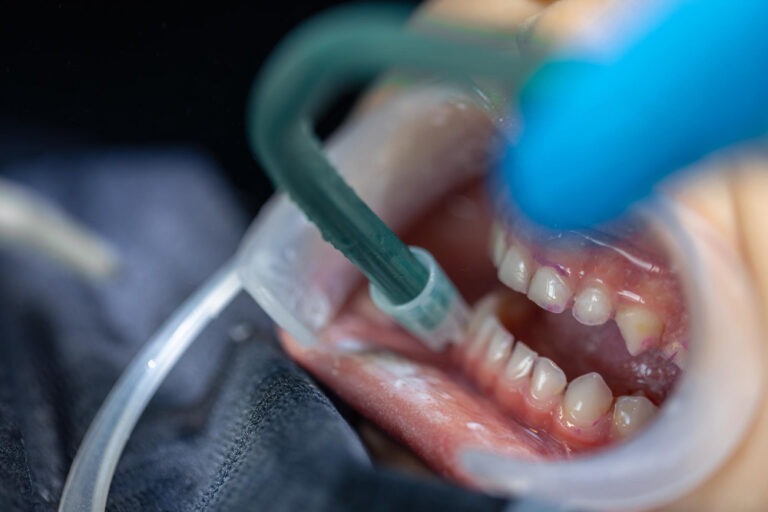
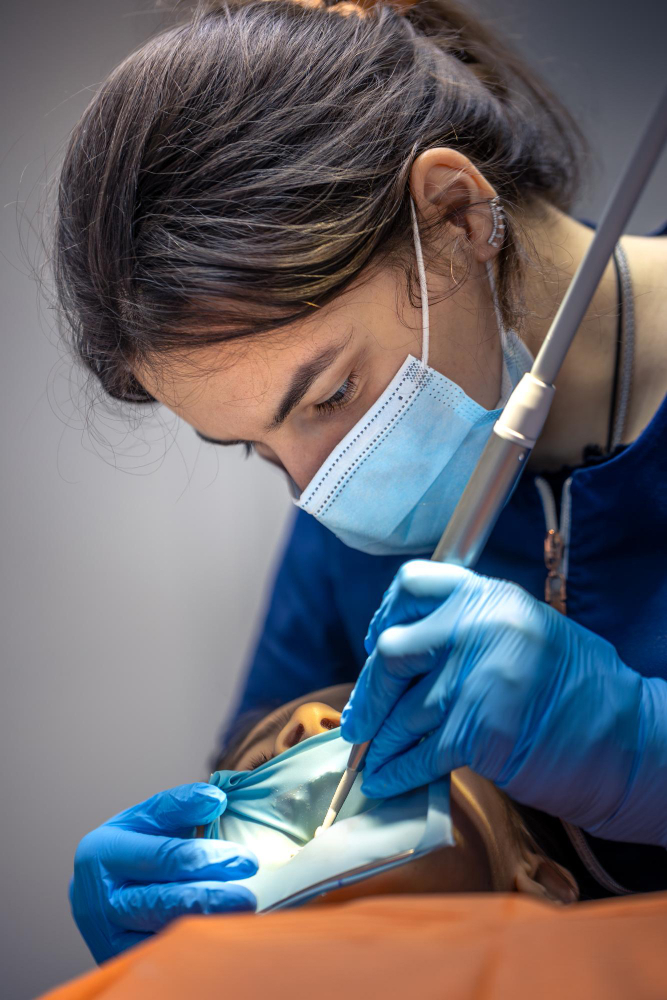
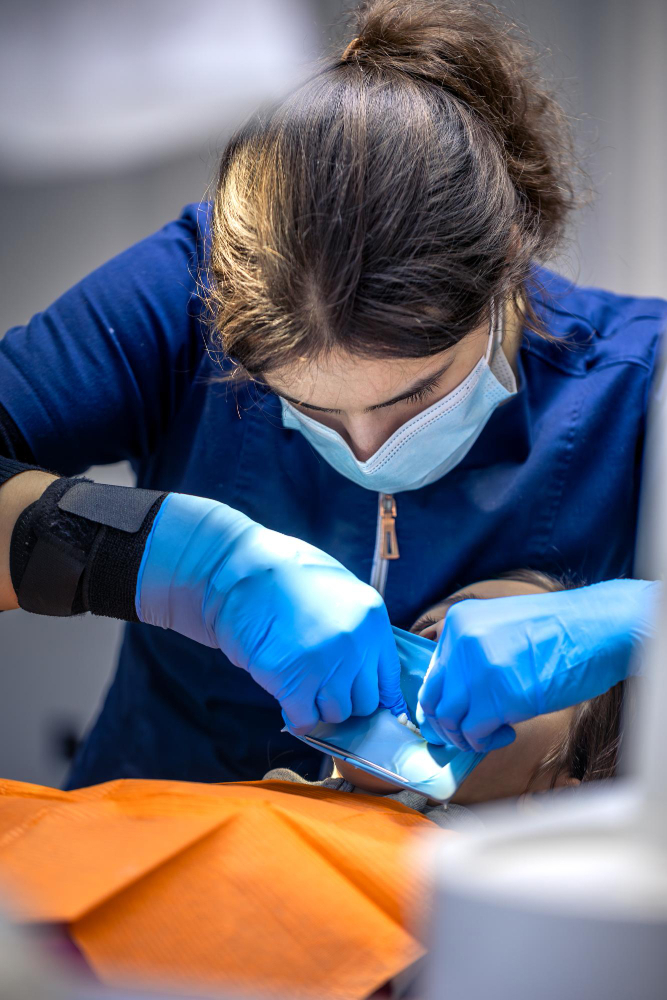
Diagnosis & Preparation – Clinical exam and imaging to assess pulp health; local anesthesia and isolation of the tooth.
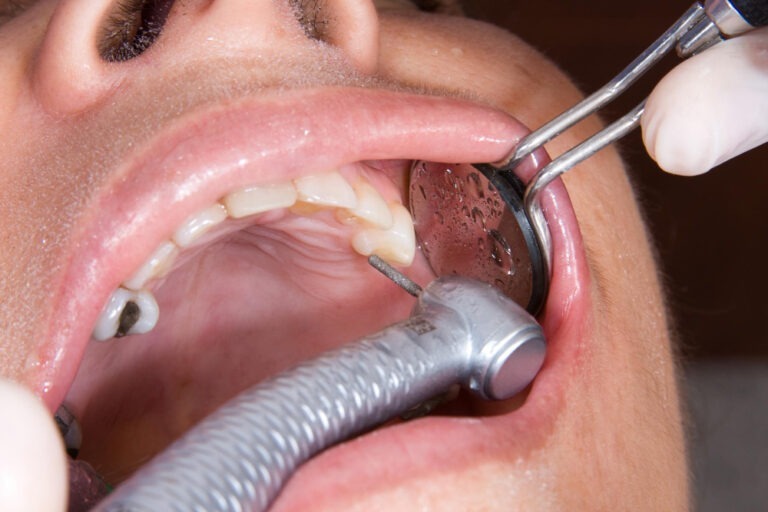
Pulp Protection – Careful decay removal and placement of medicated material (e.g., calcium hydroxide or MTA) over the exposed pulp.
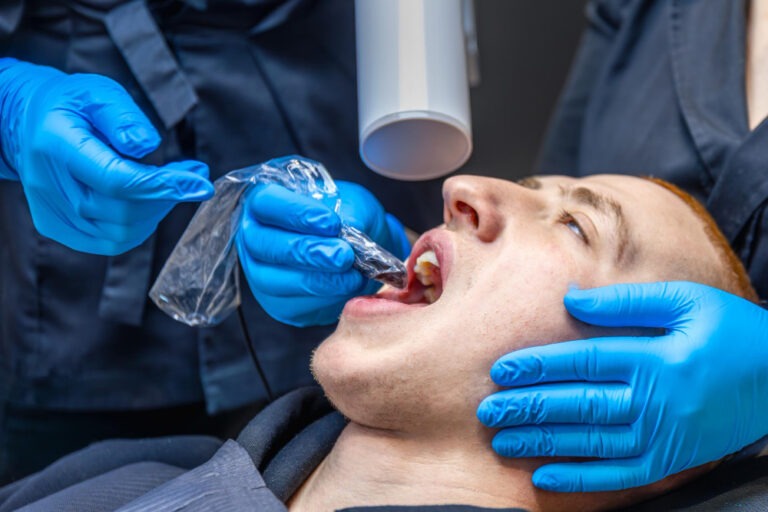
Sealing & Restoration – Protective liner and final filling to ensure airtight seal; follow-up checks to confirm vitality.
Before your treatment
- Inform your dentist of any tooth sensitivities or symptoms
- Avoid heavy chewing on the tooth prior to treatment
- Maintain good oral hygiene
After your treatment
- Avoid chewing on the treated tooth for a short time until seal is stable
- Use soft foods if sensitivity lingers
- Practice gentle brushing and flossing
- Attend follow-ups to evaluate pulp health and confirm success
Pricing
What it costs
Indicative range only — nothing here is a fixed price. The doctor's diagnosis at your consultation decides the plan and the final price.
| Treatment | Indicative range | Visits |
|---|---|---|
| Pulp Capping | €180 – €500 | Usually 1 |
| Root Canal | from €250 | — |
| Retreatment | from €300 | — |
| Dental Fillings | from €80 | — |
| Apicoectomy | from €400 | — |
Factors affecting price
- Depth and size of exposure
- Type of capping material used (e.g. calcium hydroxide, MTA)
- Complexity of final restoration
Insurance coverage
This treatment is not covered by insurance.
Results
How long do results last?
When successful, the pulp can remain vital indefinitely. Long-term success depends on excellent sealing and absence of infection.
Expected outcome
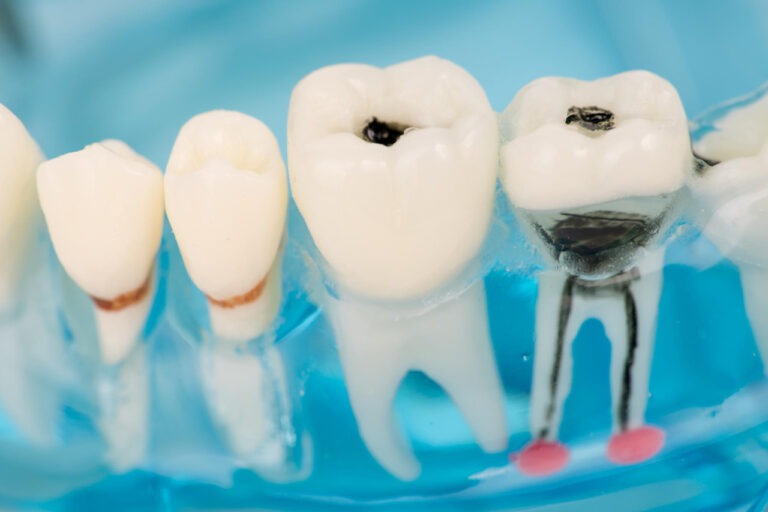
Immediately, the pulp is protected from further irritants and the tooth is sealed. Over time, a reparative dentin bridge forms, strengthening the pulp barrier and preserving tooth vitality.
Safety
Risks & considerations
Possible side effects
- Mild sensitivity for a few days
- Occasional failure if bacterial contamination occurs
- Risk of pulp inflammation or necrosis requiring root canal
Contraindications
- Irreversible pulpitis or symptomatic pulp disease
- Pulp exposures larger than a few millimeters
- Untreated periapical infection
- Poor restorative seal or inability to isolate the field
Safety notes
At City Clinic, pulp capping is performed with magnification, strict asepsis, and high-quality biocompatible materials. Only well-selected cases are treated this way to ensure high success rates
Questions
Frequently asked
The last one is always open: it answers the question people ask most on WhatsApp.
Is pulp capping painful?
No — the procedure is done under anesthesia, and any post-treatment sensitivity is mild and temporary.
How long does the visit take?
About 30 to 60 minutes in most cases.
Will I always avoid a root canal?
In many cases yes, if conditions are ideal; but sometimes further treatment is needed if pulp fails.
Can this be done on any tooth?
It’s more suitable for teeth with minimal exposure and no signs of deep infection.
Is the treatment permanent?
Yes, if healing is successful and the seal remains intact; otherwise follow-up treatment may be necessary.
Ask first, book later
Send a photo or a question on WhatsApp — our patient coordinators reply during opening hours.