
Apicoectomy in Marbella
When a previous root canal has failed or infection persists near the root tip, an apicoectomy becomes necessary.
* All prices are indicative. The final price depends on the doctor's diagnosis at your consultation. Consultations in English & Spanish.


In short
An apicoectomy is minor root-end surgery that removes the tip of a tooth's root and the infected tissue around it, then seals the root to save the tooth. It usually takes one 60–90 minute visit, with mild swelling and tenderness for several days. Indicative price €400–€1,200, confirmed at your consultation.
Is it for me?
Indications
- Persistent infection after root canal
- Pain or swelling near root tip
- Apical lesion or cyst on X-ray
- Complex roots not treatable conventionally
- Tooth worth preserving functionally
Causes
- Incomplete prior root canal cleaning
- Hidden or accessory canals with bacteria
- Leakage from faulty restoration
- Calcified or obstructed canals
About the treatment
When a previous root canal has failed or infection persists near the root tip, an apicoectomy becomes necessary. The procedure involves making an incision in the gum to expose the root, removing a few millimeters of the root tip along with infected tissue, then sealing the canal from the end. Over time, bone and tissue heal around the treated root tip, preserving the tooth’s function and structure. Modern techniques often use microscopes and microsurgical tools to maximize precision and success.
Step by step
How it works
Usually a single surgical visit; sometimes additional follow-up visits
Examination & Preparation – Imaging (X-ray or CBCT) and local anaesthesia to plan and ensure comfort.
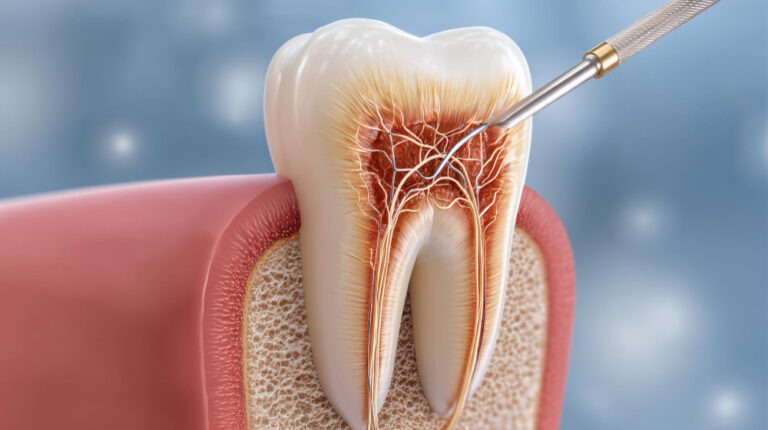
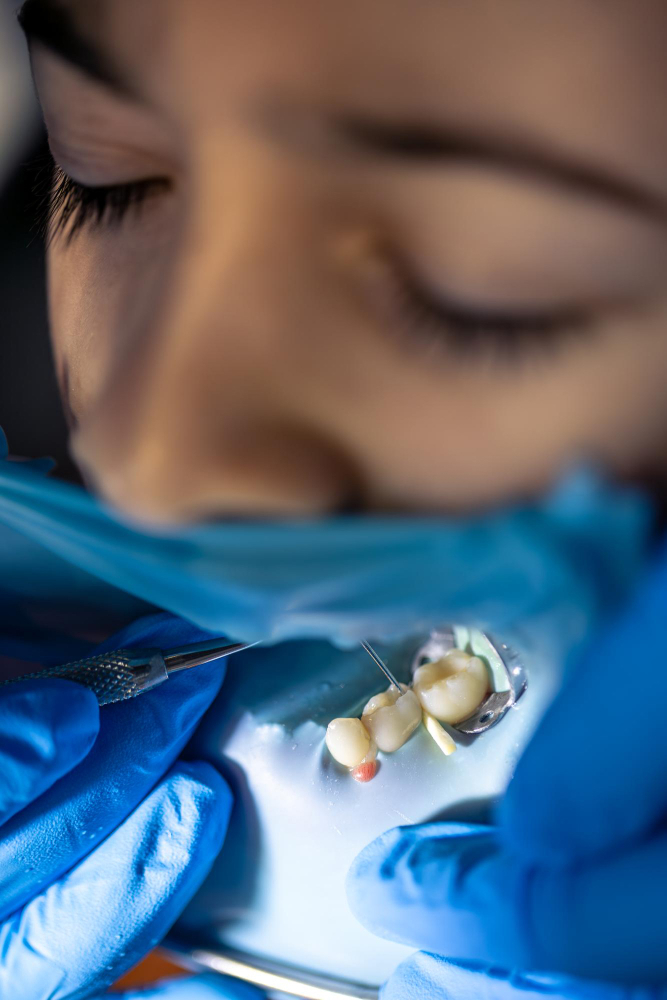
Root-End Surgery – A small gum incision is made, the root tip and infected tissue are removed, and the area is cleaned and sealed.
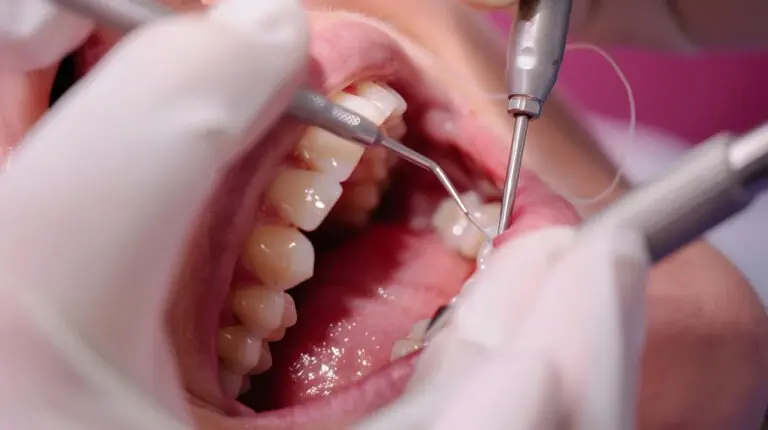
Closure & Aftercare – The gum is sutured, and detailed recovery instructions and follow-up visits are provided.
Before your treatment
- Share full medical and dental history, including medications
- Avoid smoking and maintain good oral hygiene prior to surgery
- Arrange transportation or rest time if sedation or discomfort anticipated
After your treatment
- Apply ice packs first 24 hours to reduce swelling
- Eat soft, non irritant foods and avoid chewing near surgical site
- Maintain gentle oral hygiene — avoid disturbing sutures
- Use prescribed analgesics or anti-inflammatories
- Attend follow-up visits to monitor healing and remove sutures
Pricing
What it costs
Indicative range only — nothing here is a fixed price. The doctor's diagnosis at your consultation decides the plan and the final price.
| Treatment | Indicative range | Visits |
|---|---|---|
| Apicoectomy | €400 – €1,200 | Usually 1 |
| Root Canal | from €250 | — |
| Retreatment | from €300 | — |
| Pulp Capping | from €180 | — |
| Dental Fillings | from €80 | — |
Factors affecting price
- Number of roots or complexity of anatomy
- Need for guided surgery, bone grafting or magnification tools
- Accessibility (e.g. front vs molar region)
- Follow-up visits and restoration afterward
Insurance coverage
This treatment is not covered by insurance.
Results
How long do results last?
When successful, results are long-lasting. Many treated teeth remain functional for many years with proper restoration and care.
Expected outcome
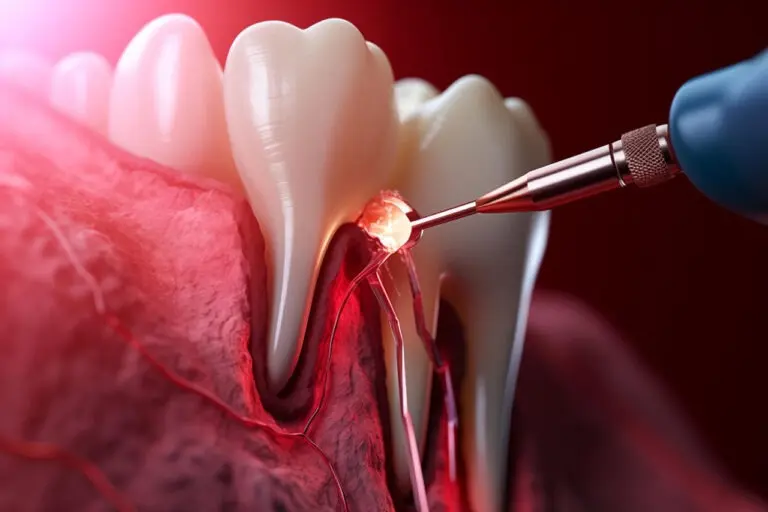
Short-term: Relief of symptoms like pain and infection. Over time, healthy bone regrows around the treated root tip, resolving lesions and stabilizing the tooth.
Long-term: The apicoectomy helps maintain the tooth in place and prevent further infection.
Safety
Risks & considerations
Possible side effects
- Swelling, mild bleeding, or bruising in the area
- Temporary sensitivity or discomfort
- Risk of failure to heal completely or reinfection
- Possible damage to adjacent structures (e.g. nerves) in rare cases
Contraindications
- Poor general health or uncontrolled systemic conditions
- Teeth with insufficient structure to restore or support
- Inadequate periodontal support or compromised bone
- Active infection elsewhere that has not been treated
Safety notes
City Clinic uses microsurgical techniques, sterilised instruments, and imaging guidance to minimize risks. Every case is individually planned and monitored for safety and optimal outcome.
Questions
Frequently asked
The last one is always open: it answers the question people ask most on WhatsApp.
Is the procedure painful?
No — local anaesthesia ensures comfort during the procedure; mild post-operative discomfort is normal.
How long is recovery?
Most patients recover within a few days; full bone healing takes weeks to months.
Will I need a new restoration afterward?
Yes — the tooth usually needs a final restoration (e.g. crown) to protect it.
Can an apicoectomy fail?
Yes — reinfection or inadequate sealing can lead to failure, though success rates are generally high with modern techniques.
Is this better than extracting the tooth?
Yes — when feasible, preserving your natural tooth is often the preferred option compared to extraction and replacement.
Ask first, book later
Send a photo or a question on WhatsApp — our patient coordinators reply during opening hours.