Want to know how to remove plaque from teeth? Brush twice a day for about two minutes using a fluoride toothpaste. Then, floss or use interdental brushes to clean between your teeth once a day. Lastly, visit your dentist regularly, as hardened plaque (tartar) needs professional removal.
This is important because plaque is a sticky film of bacteria. If you don’t remove it, it can cause tooth decay, gum disease and bad breath. In this guide, we explain what plaque is, how to remove plaque step by step, the best tools to use and when to visit your dentist.
What Is Plaque on Teeth?
Plaque is a soft, sticky film of bacteria that forms on your teeth. It’s typically colourless or light yellow, so it can easily go unnoticed. Unfortunately, it builds up every day, especially after you eat and drink.
Bacteria in plaque thrive on sugary food and drinks. As they feed, they produce acids that attack your tooth enamel. Plaque also irritates your gums, which is why removing it every day is so important for good oral health.
Plaque tends to build up in areas your toothbrush can’t easily reach:
- Along the gumline
- Between your teeth
- On your back teeth and the inner surfaces of your teeth
- Around fillings, crowns, bridges and braces
How to Tell If You Have Plaque Build-Up
Often, you can feel plaque before you see it. Common signs include:
- Teeth that feel fuzzy or rough when you run your tongue over them
- Persistent bad breath (halitosis)
- Gums that look red or bleed when you brush or floss
Want to see where the plaque is? Ask your dentist about disclosing tablets. These dyes temporarily colour plaque, so the areas you miss stand out.
Why It’s Important to Remove Plaque
Plaque doesn’t stay harmless for long. According to the NHS, a build-up of plaque causes gum disease. It also plays a role in tooth decay. Here’s how it can affect your mouth:
- Tooth decay. The acids that plaque bacteria produce can erode enamel and cause cavities.
- Gum disease. When plaque builds up along the gumline, it can cause gingivitis, which makes the gums red, swollen and likely to bleed. Without treatment, it can progress to periodontitis, which affects the tissue and bone that support your teeth.
- Tartar. Over time, plaque that you don’t remove can harden into tartar.
- Bad breath. Both plaque bacteria and gum disease can lead to an unpleasant odour or taste.
The good news? A regular daily routine keeps plaque under control.
How to Remove Plaque From Teeth: A Step-by-Step Guide

The best way to get rid of plaque is a simple routine you repeat every day:
- Clean between your teeth with floss or interdental brushes.
- Brush your teeth twice a day for about two minutes.
- Use a fluoride toothpaste.
- Angle your toothbrush towards the gumline.
- Brush or gently scrape your tongue.
- Spit out excess toothpaste, but don’t rinse with water.
- Cut down on sugary food and drinks between meals.
- Get regular check-ups and cleanings from your dentist.
Let’s look at each step in more detail.
Brush Your Teeth Twice a Day
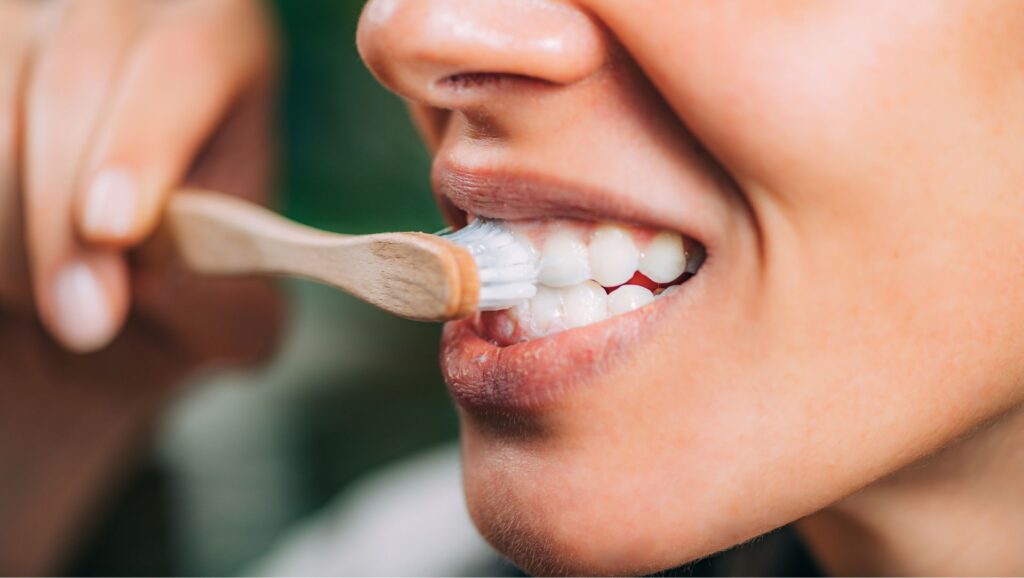
Brushing is the basic step in plaque removal. The NHS advises brushing twice a day for about two minutes, including once last thing before bed.
Be sure to clean every surface: outer, inner and chewing surfaces. Use gentle circles or short strokes. Scrubbing harder won’t get rid of more plaque. In fact, scrubbing too hard can damage your gums and wear down your enamel.
Pay Attention to the Gumline
Plaque loves the area where your teeth meet your gums. So tilt the bristles towards the gumline and move the brush slowly along it. Take care with your back teeth and inner surfaces too, since people tend to rush these areas.
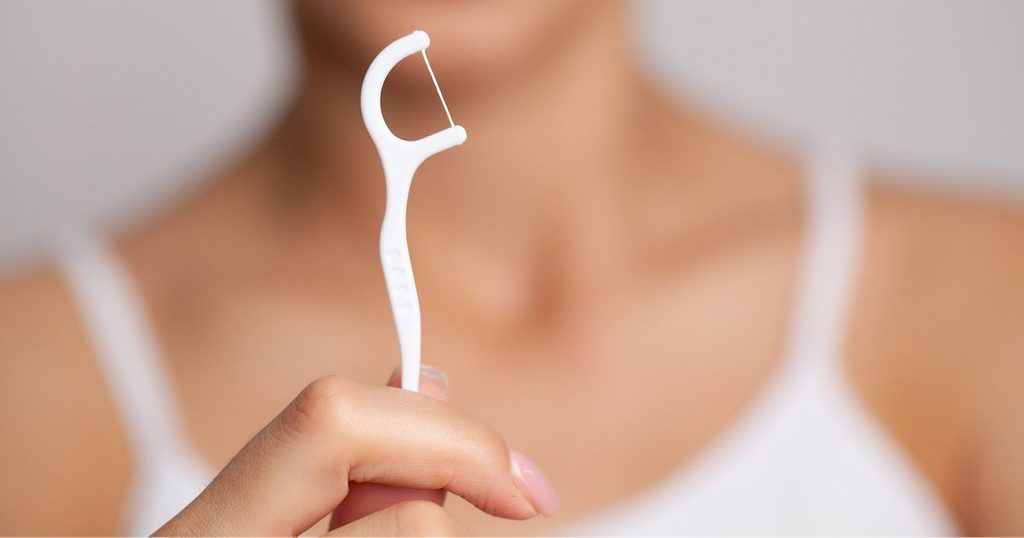
Clean Between Your Teeth Every Day
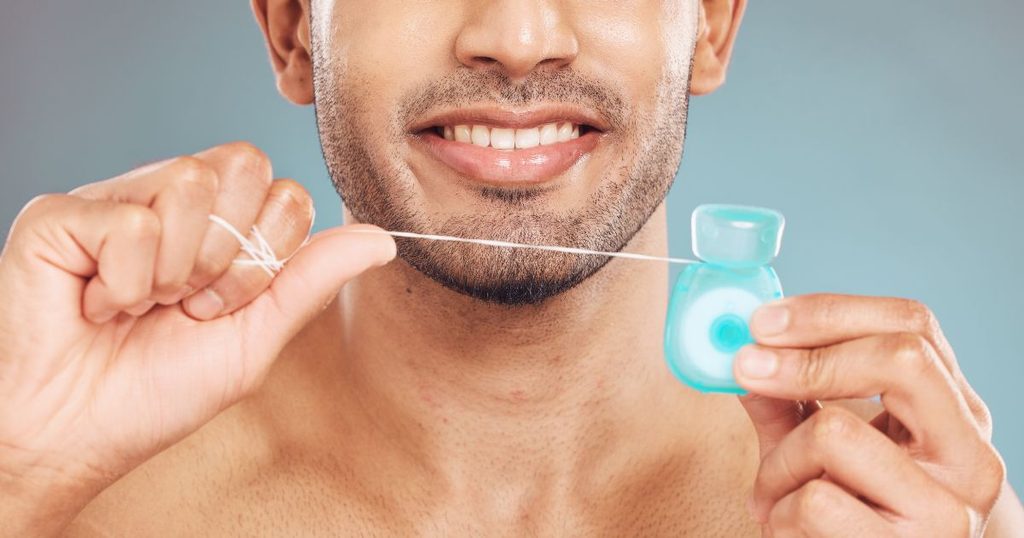
A toothbrush can’t fully reach between your teeth. That’s why cleaning between your teeth every day is so important. The NHS recommends flossing before brushing, and notes that regular flossing may help reduce gum disease and bad breath.
To floss well:
- Gently slide the floss between two teeth.
- Curve it into a C-shape around one tooth.
- Move it up and down, just below the gumline.
- Repeat on the next tooth.
If you have larger gaps, interdental brushes might be easier. The brush should fit snugly, so ask your dentist or hygienist which size is best for you. However, don’t use wooden toothpicks, because they can harm your gums.
Don’t Forget Your Tongue
Your tongue also harbours bacteria, which can cause bad breath. Gently brush it with your toothbrush or use a tongue scraper as part of your daily routine.
Spit, Don’t Rinse
After brushing, spit out the excess toothpaste. However, don’t rinse your mouth with water. Rinsing washes the fluoride off your teeth and reduces its protective effect.
Use Mouthwash at a Different Time
Mouthwash can be a helpful addition to your routine, but it isn’t a substitute for brushing or flossing. For the same reason as above, avoid using it straight after brushing. Instead, choose another time of day, such as after lunch.
The Best Tools for Removing Plaque
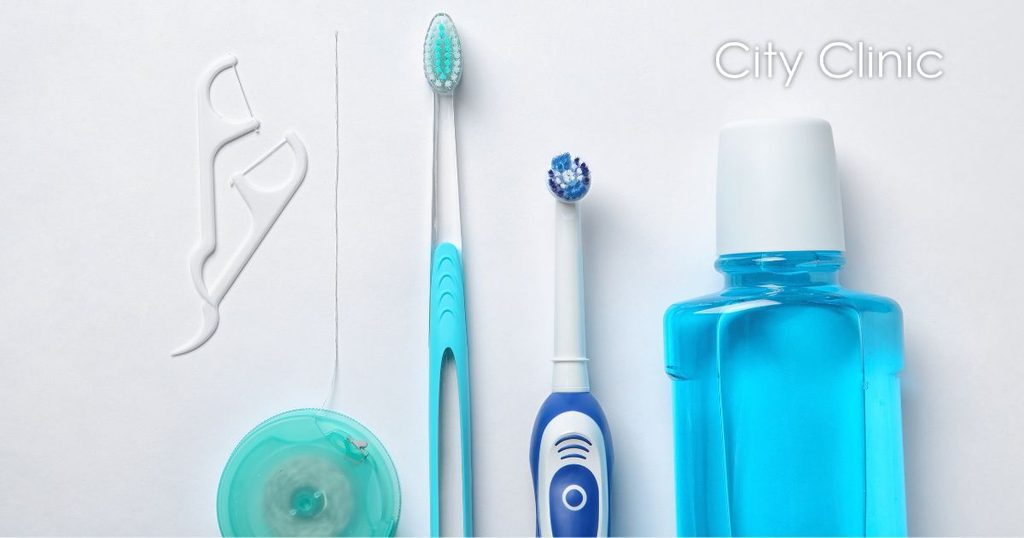
Removing plaque is easier with the right tools. Here’s a quick guide:
| Tool | Best for | Good to know |
|---|---|---|
| Manual toothbrush | Cleaning tooth surfaces every day | Medium or soft bristles suit most people; replace it when the bristles look worn |
| Electric toothbrush | Daily cleaning with less effort | Some people find it easier to brush thoroughly |
| Fluoride toothpaste | Protecting teeth against decay | Adults should use at least 1,350ppm fluoride |
| Floss or dental tape | Tight gaps between teeth | Use it before brushing |
| Interdental brushes | Wider gaps between teeth | Choose a size that fits snugly |
| Water flosser | Cleaning around braces, bridges or implants | A helpful extra, not a substitute for brushing |
| Tongue scraper | Bacteria on the tongue | Helps keep your breath fresher |
| Mouthwash | Supporting your routine | Use it at a different time from brushing |
Electric or Manual Toothbrush: Which Is Better?
Both work well. According to the NHS, electric and manual toothbrushes are equally good, as long as you clean every surface and use fluoride toothpaste. However, some people find it easier to brush thoroughly with an electric toothbrush. The bottom line is that the best toothbrush is the one you use correctly, twice a day.
Choosing a Toothpaste
Fluoride is the key ingredient. The NHS recommends that adults use a toothpaste with at least 1,350ppm fluoride. Your dentist may suggest a stronger toothpaste if you need extra protection. Also, avoid very abrasive pastes or homemade powders, as they can wear down enamel.
Plaque vs Tartar: What’s the Difference?
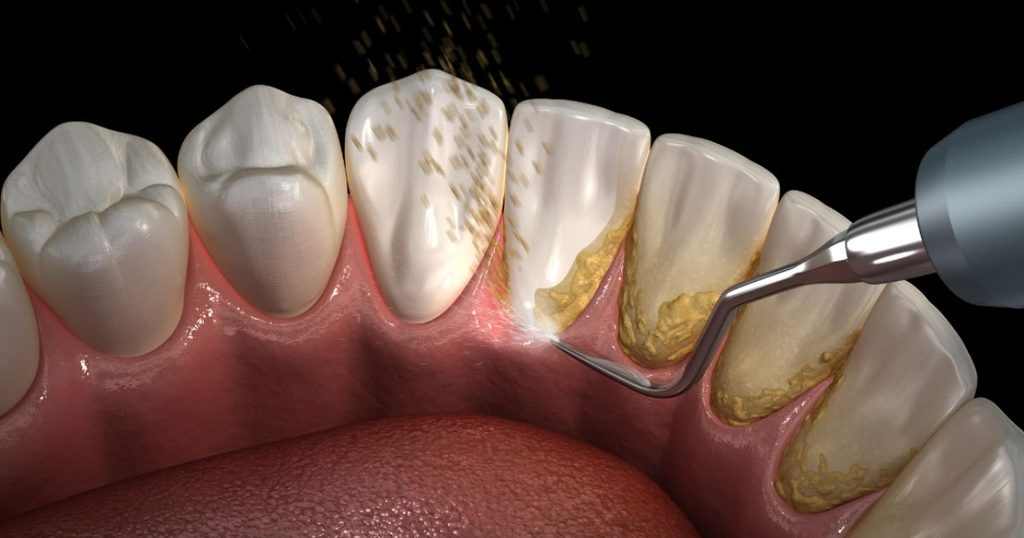
Although plaque and tartar are related, they aren’t the same thing.
| Plaque | Tartar (calculus) | |
|---|---|---|
| Texture | Soft and sticky | Hard and crusty |
| Colour | Colourless or pale yellow | Yellow or brown |
| Where it forms | On teeth and along the gumline | Along and below the gumline |
| Can you remove it at home? | Yes, by brushing and cleaning between your teeth | No, it needs professional removal |
When plaque stays on your teeth, minerals in your saliva harden it into tartar. Because tartar has a rough surface, even more plaque can stick to it.
Can You Remove Tartar at Home?
No. Once plaque turns into tartar, brushing and flossing can’t shift it. Only a dentist or dental hygienist can remove it safely. Don’t scrape your teeth with sharp objects or dental scalers bought online, because you could damage your enamel and gums.
Can Home Remedies Get Rid of Plaque?
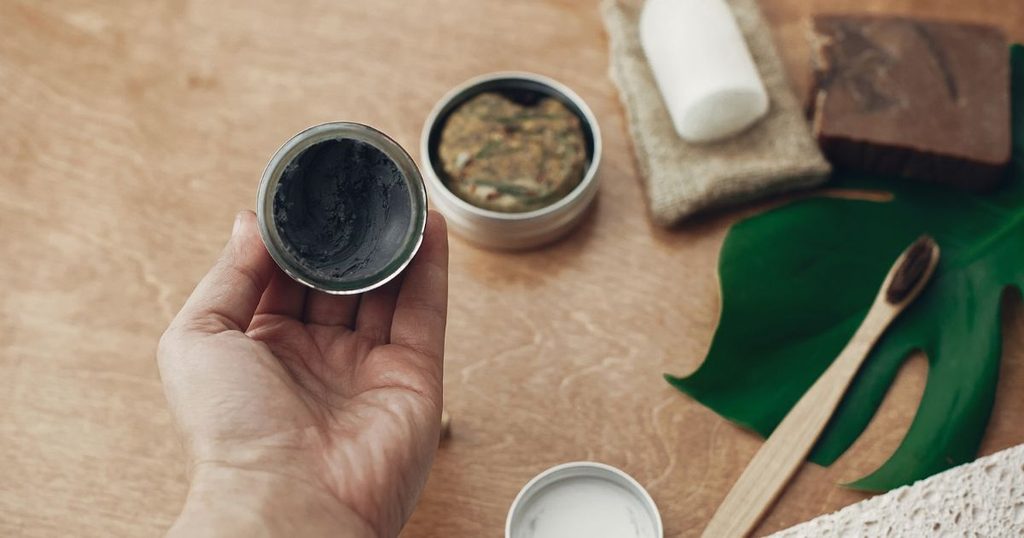
Lots of websites recommend natural remedies for plaque. Some are harmless, while others can cause real damage. Here’s the truth:
- Baking soda: It’s slightly abrasive, but it doesn’t contain fluoride, so it can’t replace your toothpaste.
- Oil pulling: It’s popular, but it isn’t a substitute for brushing and cleaning between your teeth.
- Lemon juice and vinegar: Both are acidic and can erode enamel, so it’s best to avoid them.
- Charcoal powders: They can be abrasive and may wear down your enamel over time.
To sum up, no home remedy beats brushing, interdental cleaning and cutting down on sugar. Plus, no remedy can remove tartar once it has formed.
How to Prevent Plaque Build-Up
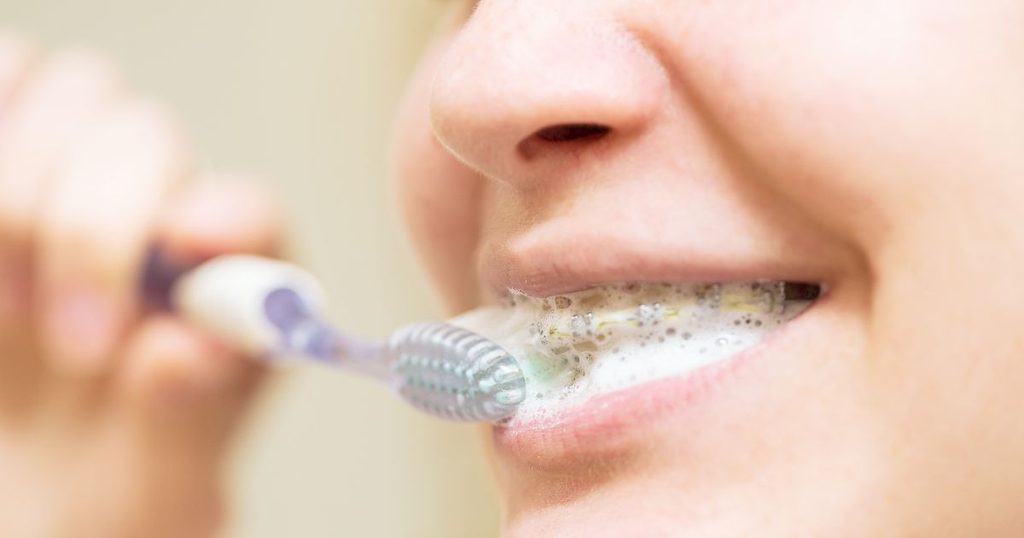
Plaque forms every day, so prevention is a matter of good habits:
- Brush twice a day and clean between your teeth daily.
- Cut down on sugary food and drinks, particularly between meals.
- Drink water throughout the day.
- Don’t smoke, as smoking harms your gums.
- Replace your toothbrush when the bristles look worn.
- Have regular dental check-ups.
Extra Care Around Braces, Crowns and Implants
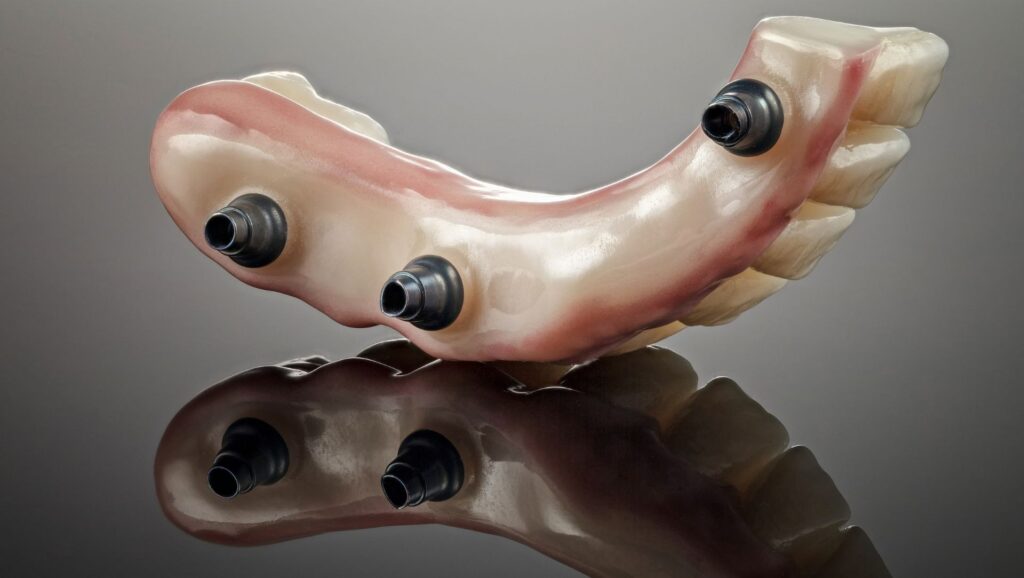
Plaque builds up easily around brackets, aligner attachments, crowns, bridges and implants. Fortunately, interdental brushes, floss threaders and water flossers can help you reach these areas. If you have Invisalign, crowns and bridges or dental implants, ask your dentist to show you the best way to clean your dental work.
How Often Should You See a Dentist for Plaque and Tartar Removal?
No single rule fits everyone. In fact, the NHS states that the gap between check-ups can range from 3 months to 2 years. Your dentist bases it on the health of your teeth and gums and your risk of future problems. So rather than following a fixed schedule, ask your dentist which interval is best for you.
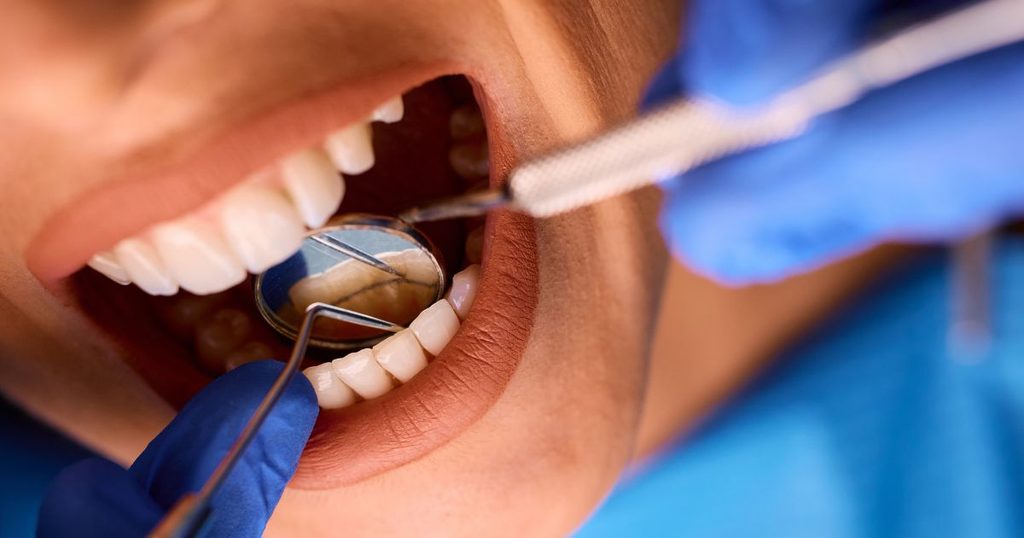
What Happens During a Professional Dental Cleaning?
A professional clean removes what your toothbrush can’t. It usually involves:
- Scaling: removing plaque and tartar from your teeth and along the gumline with special instruments
- Polishing: smoothing the surfaces of your teeth
- Advice: tips on your brushing, flossing and tools
At our clinic in Marbella, we provide professional dental cleaning and dental check-ups to remove plaque and tartar and help keep your gums healthy. While you’re with us, you can also ask our English-speaking team about your cleaning routine at home.
Signs It’s Time to See a Dentist
Book a dental check-up if you notice any of the following:
- Gums that bleed when you brush or floss
- Red, swollen or sore gums
- Bad breath or a bad taste that won’t go away
- Yellow or brown tartar along the gumline
- Receding gums
- Loose teeth or changes in your bite
- Sensitivity or tooth pain
If you have severe pain, swelling or loose teeth, seek prompt dental care. For more advanced gum disease, your dentist may discuss further treatment, such as periodontal surgery, if clinically needed.
How to Remove Plaque From Teeth: FAQs
How can I remove plaque from my teeth quickly?
Thorough brushing with a fluoride toothpaste, followed by cleaning between your teeth, quickly removes soft plaque. There’s no quick fix, however. Consistency matters most, and hardened tartar needs a professional clean.
Does mouthwash get rid of plaque?
Mouthwash is a good addition to your routine, but it won’t remove plaque on its own. You still need to brush and clean between your teeth. Ideally, use mouthwash at a different time from brushing.
Is it better to floss before or after brushing?
The NHS suggests flossing before you brush. Most importantly, clean between your teeth every day.
Why does plaque come back so quickly?
Bacteria in your mouth feed on the food and drinks you consume, so plaque is always forming. That’s why you need to remove it every day, not just now and then.
Why do my gums bleed when I brush?
Bleeding gums are a common sign of gum disease, which plaque build-up causes. Keep brushing gently and visit a dentist to have your gums checked.
Can plaque cause bad breath?
Yes. Plaque bacteria and gum disease can both cause bad breath. Brushing, interdental cleaning and cleaning your tongue all help.
Keep Plaque Under Control With a Good Daily Routine
When it comes to how to remove plaque from teeth, a few simple habits make all the difference. Brush twice a day, clean between your teeth daily and cut down on sugar. Equally important, visit your dentist regularly, as only a professional can remove tartar.
Due a check-up or professional clean in Marbella? We’re here to help. Request an appointment or message us on WhatsApp at +34 663 777 777, Monday to Friday, 10:00 to 20:00.