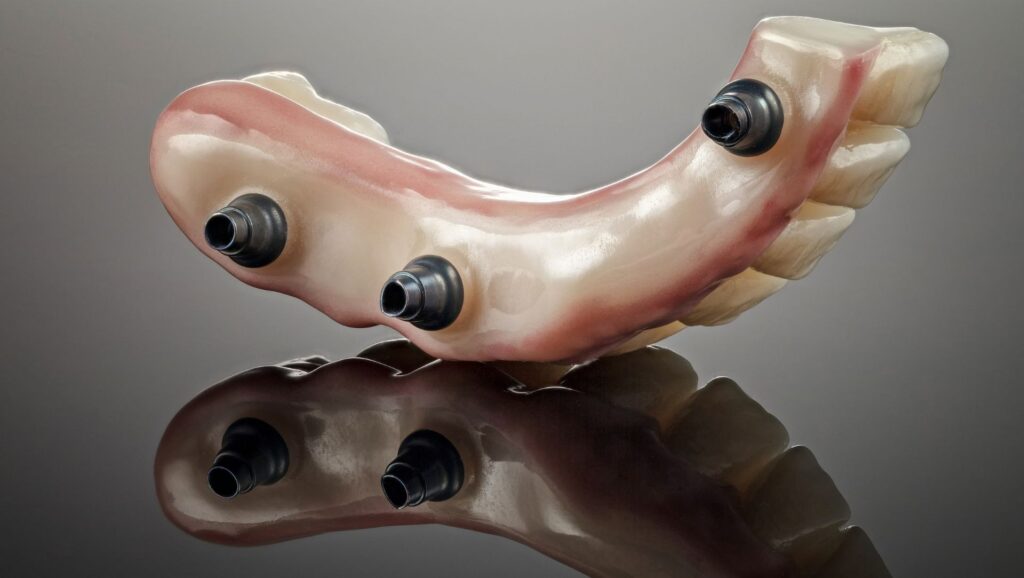
As you have been reading about ways to replace missing teeth, you have probably seen the word “overdentures” in addition to the more common terms “dental implants” and “dentures”. Overdentures are removable dentures that attach to dental implants or natural teeth, providing much greater stability than a traditional denture that sits on the gums. This guide is here to tell you what an overdenture is, how it works, who it might be a good choice for and what you can expect from the process.
What is an Overdenture?
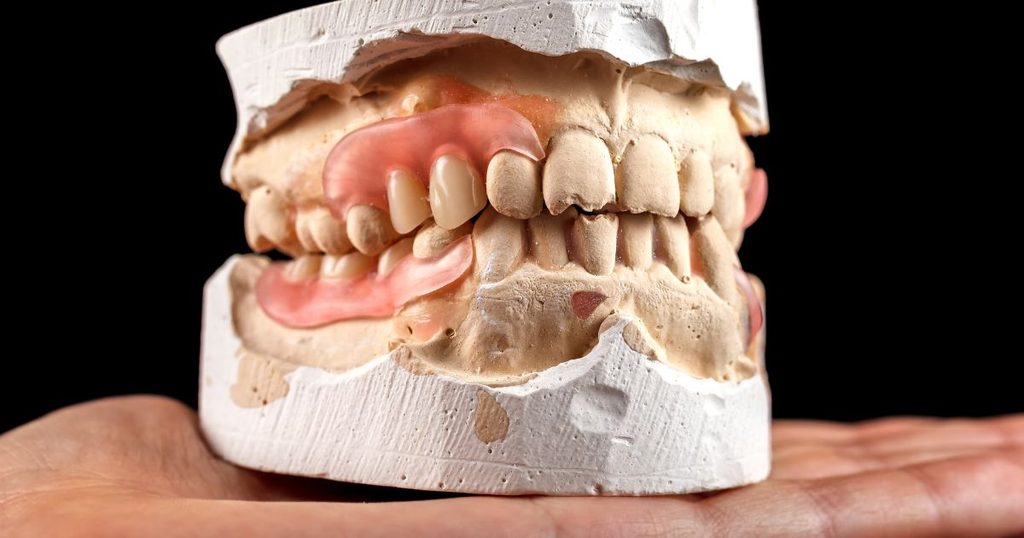
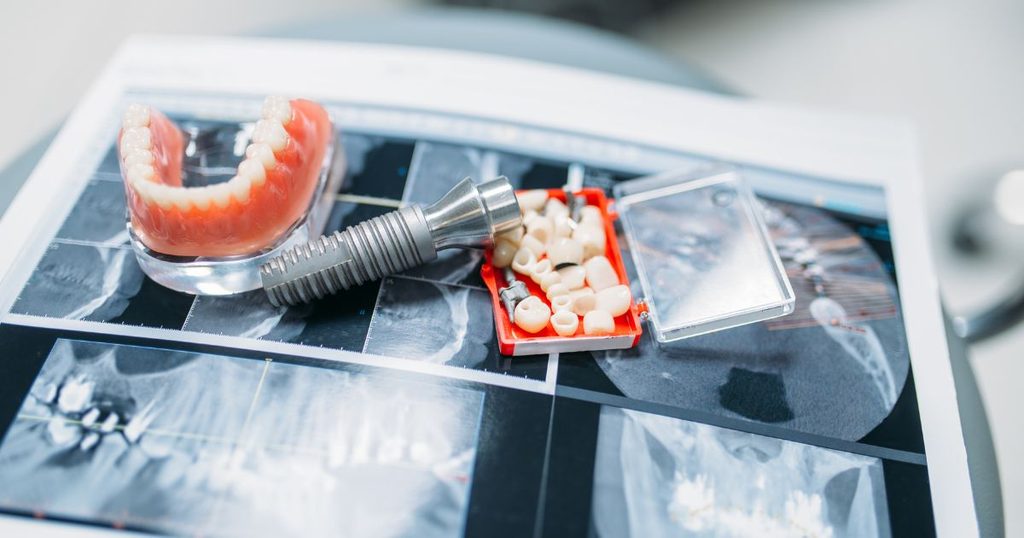
An overdenture is a removable denture which is anchored to dental implants or natural teeth and does not depend on suction and gum contact alone for retention. This attachment provides the denture with much greater stability when eating, speaking and wearing the denture than a conventional, gum-supported denture.
An overdenture is removable by the patient for cleaning, which some find easier to maintain than a permanently fixed restoration, like a fixed implant bridge.
The difference between an Overdenture and a regular denture.
A conventional denture is a denture that fits over the gums and the ridge of the jaw, and is secured by the suction, denture adhesive, and the shape of the mouth. Over time, as the jawbone naturally changes shape, traditional dentures can become loose or uncomfortable.
An overdenture, on the other hand, is attached to implants or teeth via a special attachment mechanism. This link enhances retention, stability, decreases movement during chewing, and can provide a more secure denture from day to day.
How do Over Denture Implants Work?
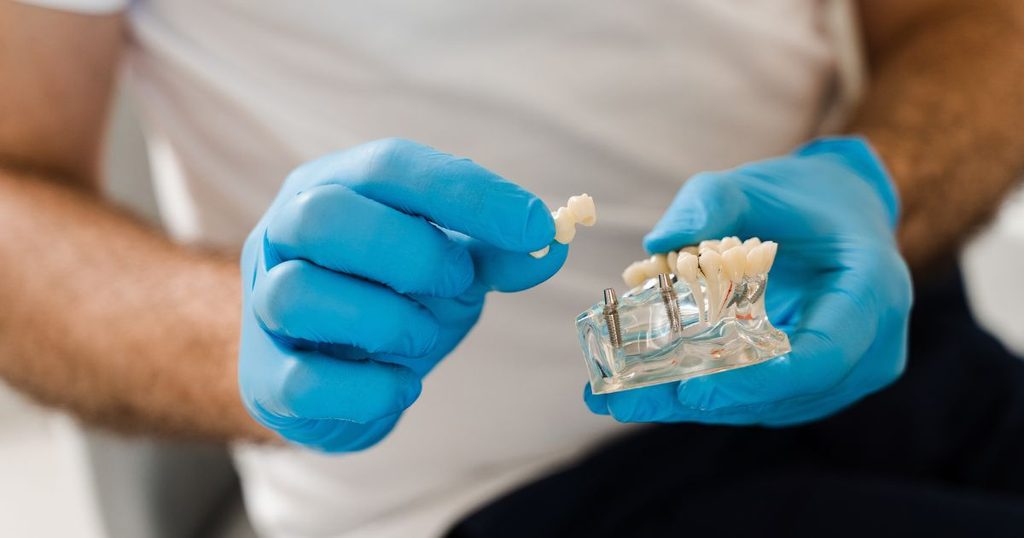
Overdentures function by having two, three or more dental implants installed in the jawbone as anchor points. After the implants have fused with the bone, the denture is then equipped with corresponding pieces that snap, clip or slide into the implants to secure the denture in place without compromising its removal for cleaning.
The various types of attachment systems are as follows:
There are a number of different attachment systems that are used in implant dentistry, and the one that is used depends on the individual circumstances, including the amount of jawbone, the number of implants used, and the patient’s bite.
- Ball (stud) attachments – small ball-shaped pieces on the implants fit into a matching socket within the denture.
- Bar-retained attachments – a thin metal bar is used to join two or more implants and the denture is attached to the bar with clips that provide even support around the arch.
- Locator attachments – a low profile system which provides secure retention with some natural denture movement.
The pros and cons of each attachment system are different in terms of the retention, ease of cleaning, and distribution of the bite force. Your treatment will be tailored to your oral health and goals.
How many implants are required to have an overdenture?
The number of implants required for an overdenture will vary from patient to patient, from jaw to jaw, and will depend on the type of attachment system used. Because of the differences in the bone density between the upper and lower jaw, lower jaw overdentures usually have two or more implants, and upper jaw overdentures may need more implants. After a thorough evaluation, including taking images of your jawbone, your dental team will recommend the necessary number of implants.
Types of Overdentures
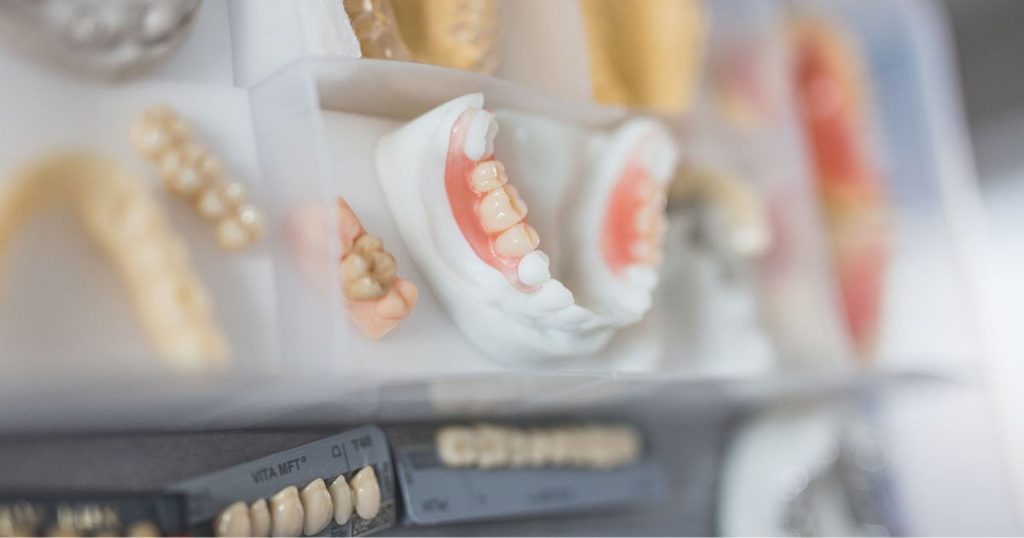
There are a few types of overdentures, depending on the type of implant they are attached to and the amount of support provided by implants versus the gums.
Implant-retained overdentures are supported by the gums as well as by the implants. An implant-supported overdenture is supported completely by the implants and can provide the most consistent stability and force distribution. When healthy teeth are still present to support a prosthetic, tooth-retained overdentures are an option and are anchored to the remaining natural teeth instead of implants.
Overdentures (upper/lower jaw)
Overdentures can be placed on either the upper or lower jaw, but they are not the same in terms of how they are planned. The lower jaw can offer less natural suction to a traditional denture, and many people find that they are most fulfilled with the stability of an implant-supported lower overdenture. The upper jaw suitability will depend on the individual’s bone volume and other clinical factors that will be evaluated by their dental team.
Patients who might consider an Overdenture:
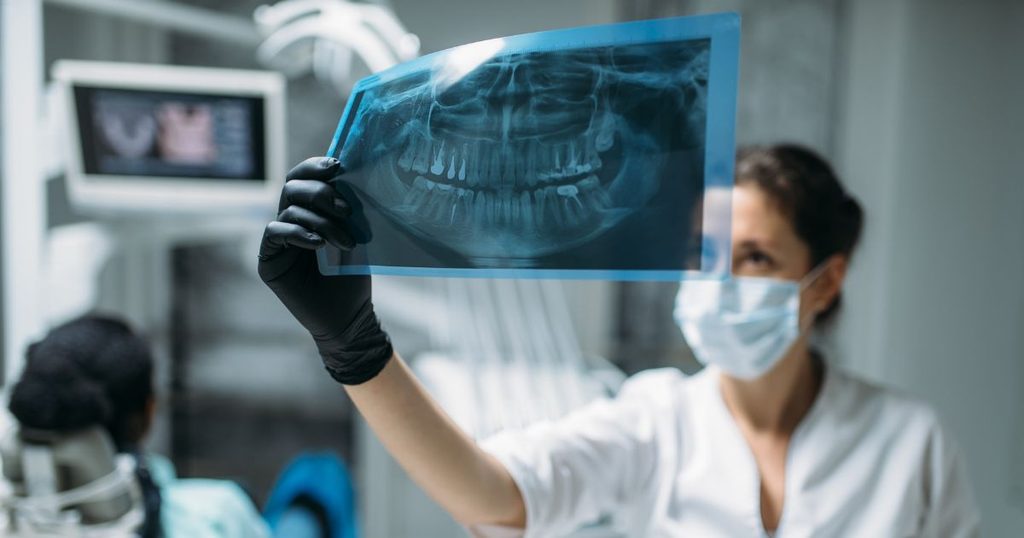
An overdenture may be worth discussing with your dental team if you:
- Now wears removable dentures which are loose, unstable or uncomfortable
- Have several teeth or all your teeth missing
- Desire better chewing function and bite strength than with a traditional denture.
- Would prefer a removable rather than permanently fixed prosthetic
- Have sufficient bone structure to support dental implants or be willing to undergo bone grafting if necessary
This is always an individual suitability and should be assessed on a case-by-case basis. Your dental team will take into account bone loss, gum health and general oral health before recommending a treatment plan.
The advantages of Implant Overdentures are:
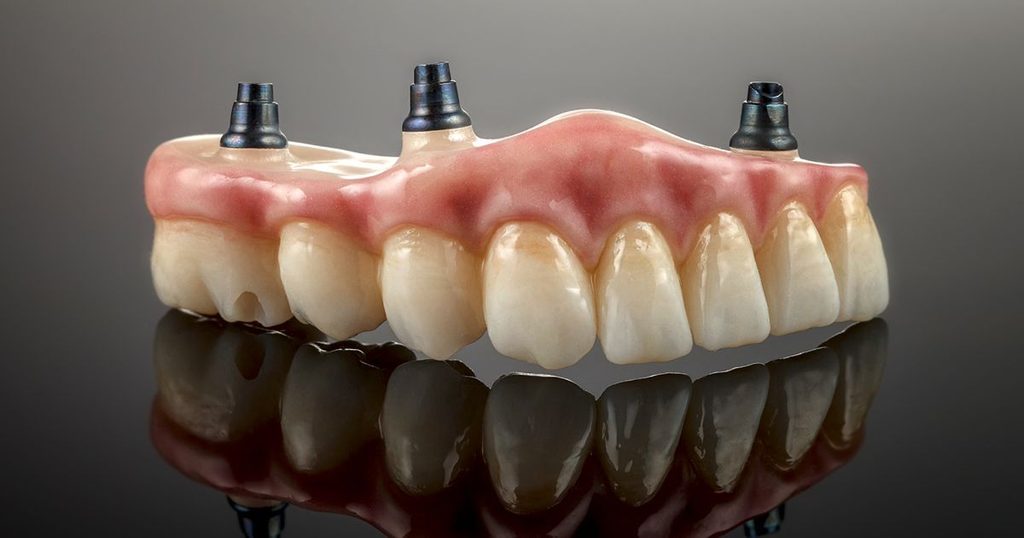
There are a number of possible advantages to implant-supported and implant-retained overdentures over the traditional type of denture that is supported by the gums:
- Better retention and stability – less movement during eating, talking and laughing
- Improved bite force and chewing capacity – implants are stronger than gums alone.
- Jawbone support – implants can stimulate the bone in the area in which they are placed, which can help alleviate concerns about bone loss with tooth loss
- Better comfort – once healed, many patients will find an implant overdenture more comfortable than a traditional denture.
- Eating and drinking with confidence – added stability can help to improve quality of life by minimizing worry about denture movement.
Like all dental procedures, outcomes and experiences may vary from person to person, and the only way to know what to expect in your situation is to have an assessment of your needs.
What to Expect: The Overdenture Treatment Process
Depending on the individual, the treatment plan for an overdenture may involve a number of steps.
- Initial assessment and consultation. Your dental team will examine your oral health, take imaging such as X-rays or scans, and evaluate your jawbone density to determine whether you’re a good candidate for overdentures or whether preparatory treatment, such as bone grafting or a sinus lift, may be needed first.
- Implant placement. The implants are inserted into the jawbone through surgery. The duration of healing before the implants can support a denture depends on individual patients and their oral health and bone quality.
- Fitting the overdenture. After the implants have fused to the bone, the denture is designed with the correct components to attach to the implants and adjusted to fit comfortably and securely.
- Aftercare and maintenance. Maintenance involves daily cleaning of the denture and implant parts, and routine dental visits to monitor the implants and gums.
Overdentures vs. Other Tooth Replacement Options
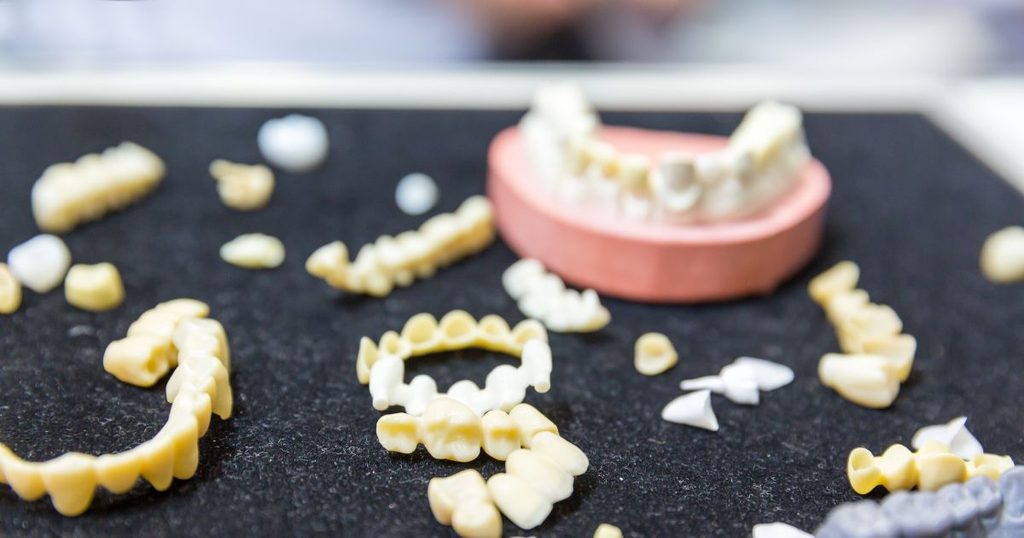
Knowing the differences between overdentures and other types of dentures will help you to have a better discussion with your dentist.
| Option | Fixed or removable | Support |
|---|---|---|
| Conventional complete dentures | Removable | Gums and jawbone ridge only |
| Implant overdenture | Removable | Dental implants (and sometimes gums) |
| All-on-4 / All-on-6 | Fixed | Implants, non-removable by the patient |
| Dental bridge | Fixed | Adjacent natural teeth or implants |
Overdentures vs. Conventional Dentures
The primary distinction is retention – conventional dentures are held in place by gum tissue and suction, whereas overdentures are securely attached to implants or existing teeth to enhance stability and bite strength.
Overdentures vs. All-on-4 / All-on-6
All-on-4 and All-on-6 are fixed (implanted) bridges that do not need to be taken out by the patient, but can serve as an alternative to a removable overdenture. Some patients may want an overdenture that they can take out to clean, others may want the fixed feeling of an All-on-4 or All-on-6. Talking to your dental team about both can help you determine which is best for your lifestyle and needs.
Overdentures vs. Dental Bridges
Dental bridges fill in gaps created by a missing tooth or teeth with artificial teeth held in place by the surrounding natural teeth or implants, and do not necessarily replace a full arch like an overdenture does.
Who is a Good Candidate for Overdentures?

Not all patients are necessarily candidates for overdentures. Some of the main factors your dentist will consider are:
- The density and volume of jawbone where the implants are to be inserted
- Gum and oral health in general
- The number and condition of any natural teeth that remain.
- Factors that may influence healing following implant placement
If there is a concern about bone loss, a bone grafting procedure or sinus lift may be suggested to help strengthen the jawbone prior to implant placement. The only way to determine if you are a good candidate for overdentures is to have a comprehensive evaluation by your dental team.
How Long Can Overdentures Last?
Although the overdenture part may require adjustment, relining or replacement over time as it is subject to normal wear and tear, the dental implant part is designed to last for many years. The lifespan of an overdenture varies according to a number of factors, including oral hygiene, general health, and the maintenance of the overdenture and the implant. Dental check-ups are important to detect and correct early signs of wear or fit changes.
How to Take Care of Your Implant Overdenture
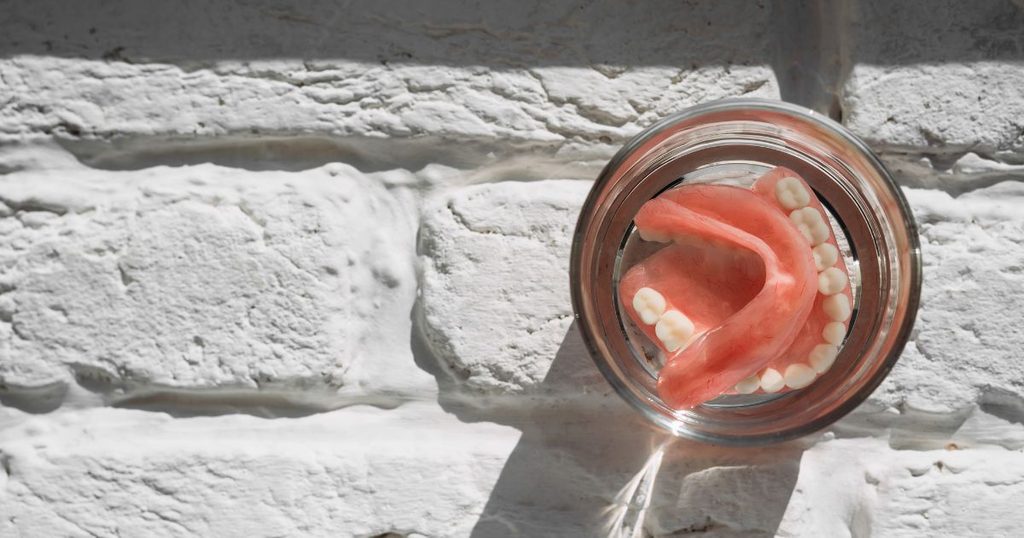
Maintaining excellent oral health is crucial to the health of the denture and supporting implants:
- Clean and remove the overdenture every day with the correct denture cleaning products
- Carefully clean the attachment parts and adjacent gum tissue to avoid accumulation of plaque
- Don’t drop or mishandle the denture; this can affect how it attaches.
- Make regular dental appointments to ensure your dental team can check on the implants and make any necessary adjustments.
Overdentures at City Clinic Marbella

Our implantology team at City Clinic Marbella evaluates each patient case-by-case, to decide which treatment is best suited for them: implant overdenture, fixed solution (All-on-4, All-on-6), or other restorative option. If more bone is required, we may also be able to talk about bone grafting or a sinus lift as part of your treatment plan.
If you are considering replacing missing teeth and are interested in something that is more stable than a traditional denture, we are pleased to discuss your options with you. Schedule a consultation with our team to find out if an overdenture is right for you.
Frequently Asked Questions
What is the difference between an overdenture and a regular denture?
The difference between a regular denture and an overdenture is that a regular denture sits on the gums and uses suction to hold it in place, while an overdenture is attached to dental implants or natural teeth, providing greater stability and bite force.
How many implants are needed for an overdenture?
This depends on the patient and the jaw and will be determined after a personal evaluation including imaging of the jawbone.
Do implant overdentures come out?
Yes. Overdentures are unlike fixed options like All-on-4 or All-on-6, as they are meant to be taken out by the patient for cleaning and then put back in.
Are overdentures natural?
Overdentures are custom-fitted and will resemble and perform like natural teeth, depending on the individual’s specific factors, which will be discussed with you during your consultation.
Is getting an overdenture painful?
Like any implant surgery, there may be some pain as you heal, and your dentist will outline what to expect for your treatment plan. Each patient’s experience is different.
Is it possible to change from a regular denture to an overdenture?
Some patients who have experienced discomfort or instability with their traditional denture may consider overdentures, but it depends on a personal evaluation of your oral health and jawbone.
What is the price of an overdenture?
The cost varies according to the number of implants required, the type of attachment system and your specific treatment plan. To receive the correct information, we suggest you book a consultation.